IT and Technology

What Is the Accuracy of Machine Learning Models for Android Malware Detection?

Machine learning models for Android malware detection often report 95% to 99% accuracy in research tests. But there is no single accuracy number that fits every model. The result depends on the dataset, malware type, app features, testing method, and false-positive rate. As a software engineer, I would not say “machine learning is 97% accurate” as a universal answer. A safer answer is this: machine learning is very useful for Android malware detection, but it is not perfect. A high lab score does not always mean the same result on a real Android phone. A 2026 PLOS One

Uncategorized

What Does Naseef Chowdhury Specialize In?

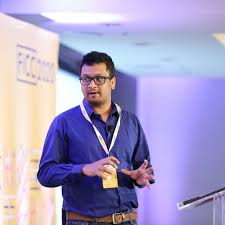
Md Naseef Ur Rahman Chowdhury is a senior software engineer whose career spans over a decade of hands-on work across systems programming, real-time communication platforms, embedded software, computer vision, machine learning, and cybersecurity research. Currently working as a Principal Software Engineer at HP Inc., he has built his reputation through consistent, high-impact contributions at companies like Oracle, HP Inc., ringID, Kona Software Lab, and Eyeball Networks — while simultaneously publishing research in internationally recognized conferences and journals. His

Uncategorized

Who Is Md Naseef Ur Rahman Chowdhury?

My name is Md Naseef Ur Rahman Chowdhury, and I am a software engineer with experience in systems programming, cloud infrastructure, networking technologies, machine learning, and computer vision. Over the years, I have worked across several areas of software engineering, from low-level protocol implementation to cloud systems and AI-powered camera technologies. I believe software engineering is fundamentally about solving problems on demand. That mindset has guided my career since I started working in the software industry in 2012 after completing my Bachelor of Science

Software

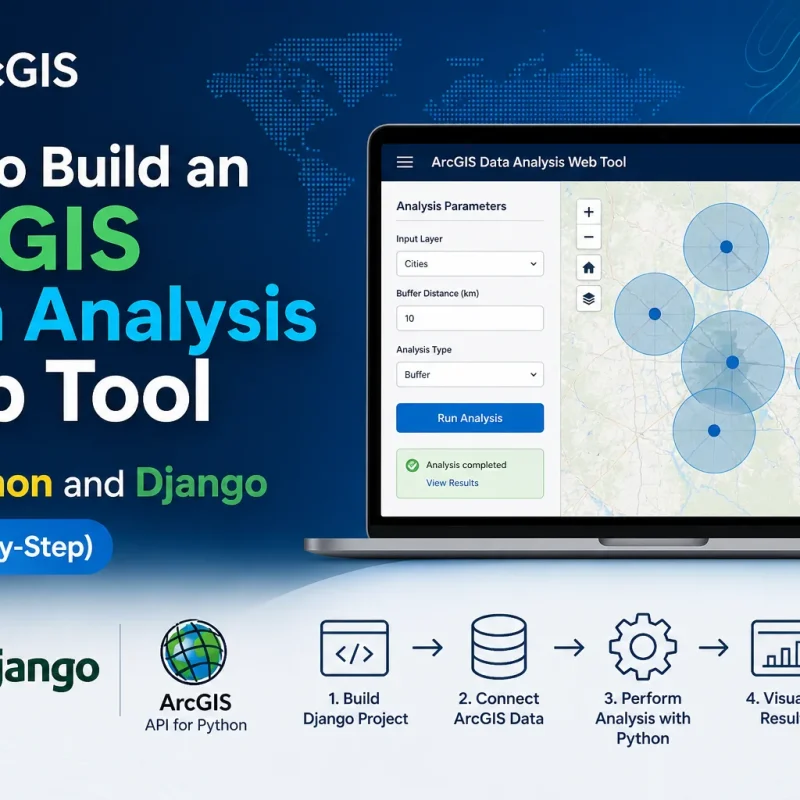
How to Build an ArcGIS Data Analysis Web Tool with Python and Django (Step-by-Step)

A while back, we had a real problem at work. Our field teams needed to run buffer analysis on uploaded shapefiles — but they had no access to ArcGIS Pro, and the GIS team was always swamped. The fix was clear: build a web tool they could use from a browser, no desktop software needed. That one problem pushed us to build a full stack that combined Django on the backend, the ArcGIS API for Python for the analysis work, and a lightweight Leaflet.js map on the front end. The result was a tool that non-GIS users could actually use. This tutorial walks you through building

Software

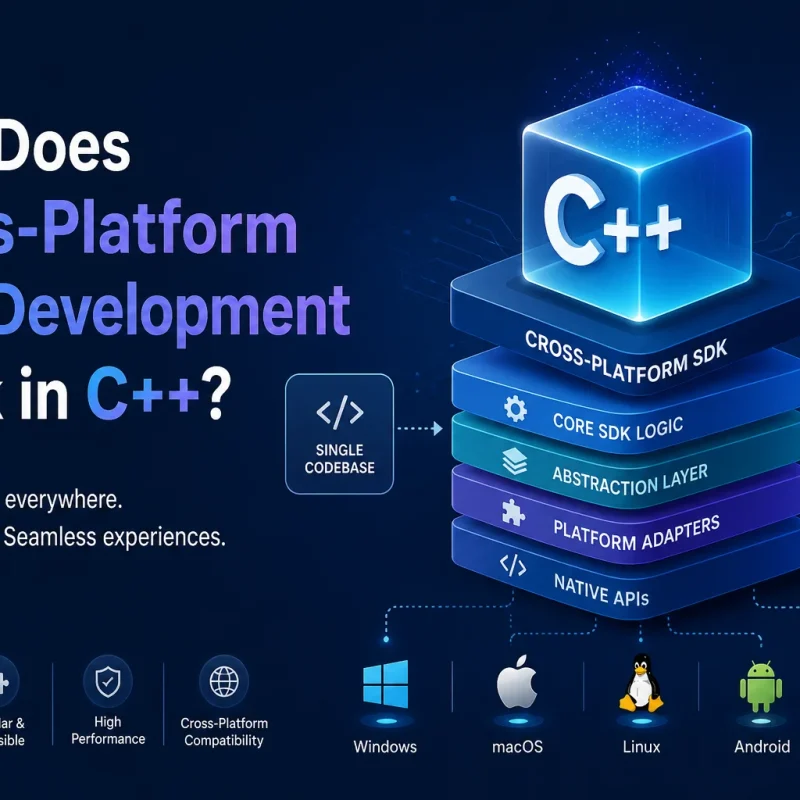
How Does Cross-Platform SDK Development Work in C++?

If you're building an SDK that needs to ship on iOS, Android, Windows, and Web, C++ is often the only language that can reach all four without a full rewrite. We've seen this firsthand — building libraries that run on everything from an Android handset to a WebAssembly module in a browser. It's not magic, and it's not painless. But with the right architecture, it's absolutely manageable. This guide walks through exactly how it works: how to structure your code, how to get it to compile everywhere, how to expose it to Java, Swift, and JavaScript, and where the real traps